We’re thrilled to launch IMMERSION LAB — a brand new opportunity to dive deep into distinct global methodologies that expand your creative toolkit through embodied research, international practice and fearless experimentation.
Our first IMMERSION LAB (29 June–3 July) in partnership with Artsadmin is an intensive, hands-on laboratory where you’ll generate new work by activating archives, documentary material and verbatim interviews, guided by migrant artists working across cultures and disciplines.
Across one energising week, international practitioners will share powerful approaches that transform historical traces and lived testimony into bold, embodied performance. Each facilitator brings a singular artistic language, equipping you with fresh strategies for creating from imagination, multiplicity and new perspectives.
The Lab will take place at Artsadmin, Toynbee Studios, London E1 6AB and will run 10-6 each day.
This is an exciting chance to supercharge your practice, connect with a vibrant community of artists, and make work that feels urgent, alive and unapologetically relevant.
Capacity: 20 participants with 2 bursary places available
Fee: £300 per participant
These are the artists leading sessions in our first IMMERSION LAB 29th June to 3rd July:
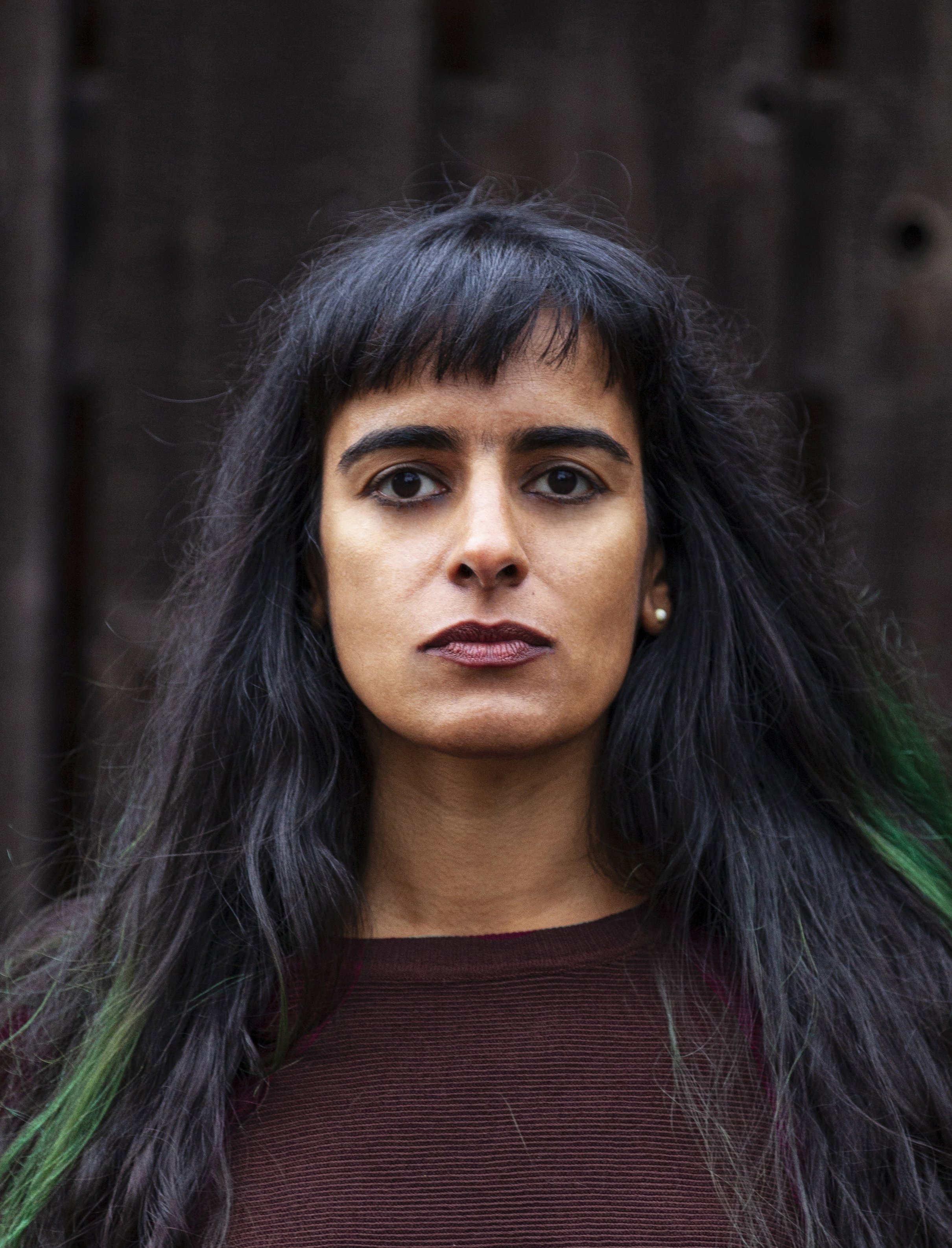
TARA FATEHI
Tara is a performance artist, actor, and writer whose work moves between the politically charged and the starkly mundane. Rooted in multivocality, unfinishedness, ambiguity, and play, her practice spans moving, writing, and voicing. Tara is co-founder of From the Lips to the Moon, an experimental poetry and music series, and has released an eponymous album on Akazib Records. Her book Mishandled Archive (LADA, 2020) draws on a series of 365 public interventions, forming an ongoing inquiry into performing with personal archives. She was the inaugural resident artist at the United Nations Archives in Geneva. tarafatehi.com / @tarafteh
Tara’s workshop introduces methodologies for working with archives in creative practice, and explores approaches to unlearning history, mishandling archives, fictioning, and collective thinking, asking how archive and memory can become activated in performance. Participants will consider how archives are embodied, how documents function both as artworks and as traces, and how archival practices can engage with contemporary concerns. Working with a combination of personal and institutional archival material, participants will take part in a series of collective reading, movement, writing, and performance-making exercises. The workshop offers practical tools for engaging archives as living, performative material.
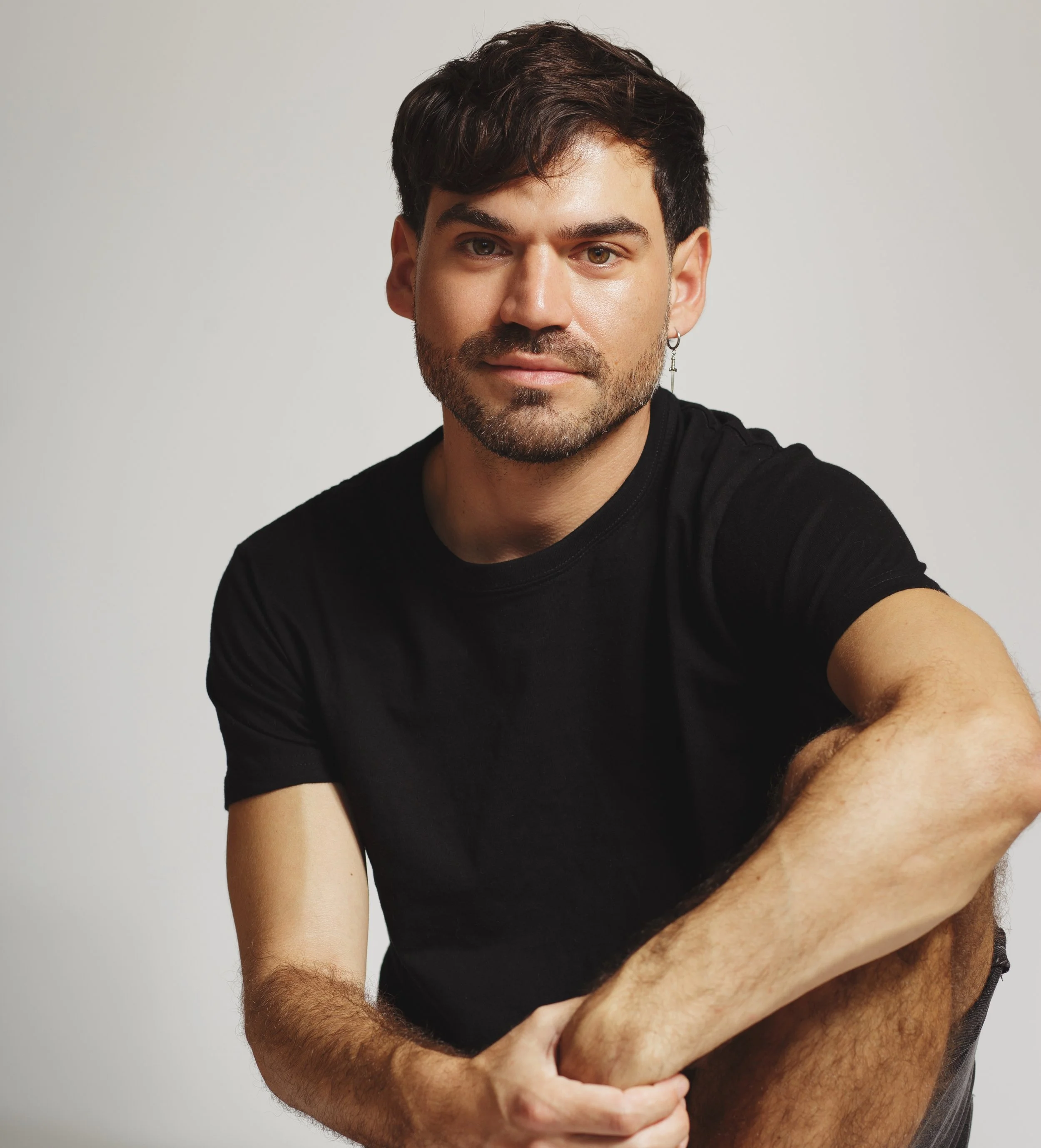
GABRIEL DÍAZ CARDENAS
Gabriel Díaz is a Chilean performing artist and researcher based in London. He works as an Associate Lecturer at Goldsmiths, University of London and his practice brings together theatre-making, arts education, voice pedagogy, and postmigrant studies through experimental and interdisciplinary work across community contexts, actor training, and academic research. He has taught voice, movement, theatre, and performance studies in Chile and internationally, and is a member of the Voice and Speech Trainers Association and Ibervoz Latin America.
Rehearsing the Future - from Personal Archive to Political Imagination
This workshop begins with psychophysical training that approaches embodied voice, presence, time, and space, preparing the body and voice to activate memory and imagination through performance. It then moves into the personal archives that each participant brings, focusing on a turning point that marks a clear before and after in their life. These materials are activated as living archives, opening a space to explore the absences they carry, the conflicts that emerge from them, and the ways their narratives continue to unfold. By returning to lived experience and placing past and present in active relation, the workshop invites new routes to emerge from what has been lived. In this way, memory becomes a site for imagining futures that resist the exclusions of the present, including those shaped by resurgent far-right nationalism.
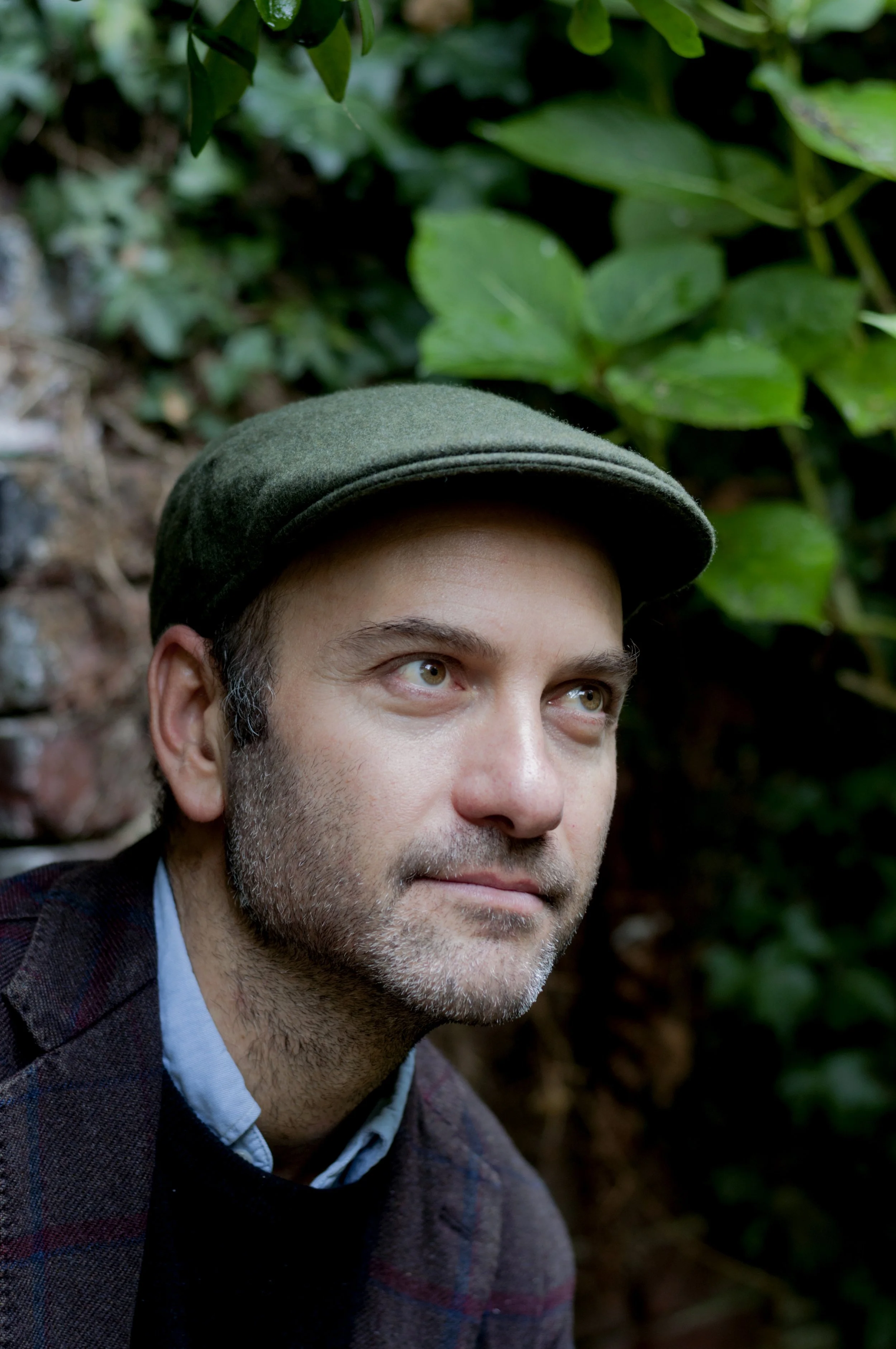
LEO BOIX
Leo Boix is a bilingual Latinx poet and translator born in Argentina and based in London. His acclaimed second collection, Southernmost: Sonnets (Chatto & Windus, 2025), was shortlisted for the Forward Prizes and named Poetry Book of the Year by The Guardian, The Daily Telegraph, and The Week. His debut, Ballad of a Happy Immigrant (2021), was a Poetry Book Society Wild Card Choice. Boix is the editor and lead translator of the groundbreaking anthology Hemisferio Cuir (Fourteen Publishing), which brings a new generation of queer Latin American voices into English. His work has been commissioned by Tate Modern, Kew Gardens, and the National Poetry Library, and he is the recipient of the Bart Wolffe Poetry Prize, the Keats–Shelley Prize, and a PEN Award.
Leo will focus on activating the idea of the “personal archive” by drawing on memory, lived experience, and cultural displacement as generative material for poetry. Through structured forms and experiments with visual and concrete poetry, he will explore how individual histories intersect with broader historical archives, from travel narratives like Darwin’s Voyage and Humboldt’s Personal Narrative to texts such as the Anglo-Saxon poem The Seafarer. The workshop will also incorporate exercises in translation and mistranslation to examine what is carried across languages, geographies, and identities, and what is lost or transformed. In dialogue with the programme’s wider emphasis on documentary material and verbatim approaches, this day positions poetry as a site where archival traces—both intimate and historical—can be reactivated, reimagined, and given new voice through creative practice.
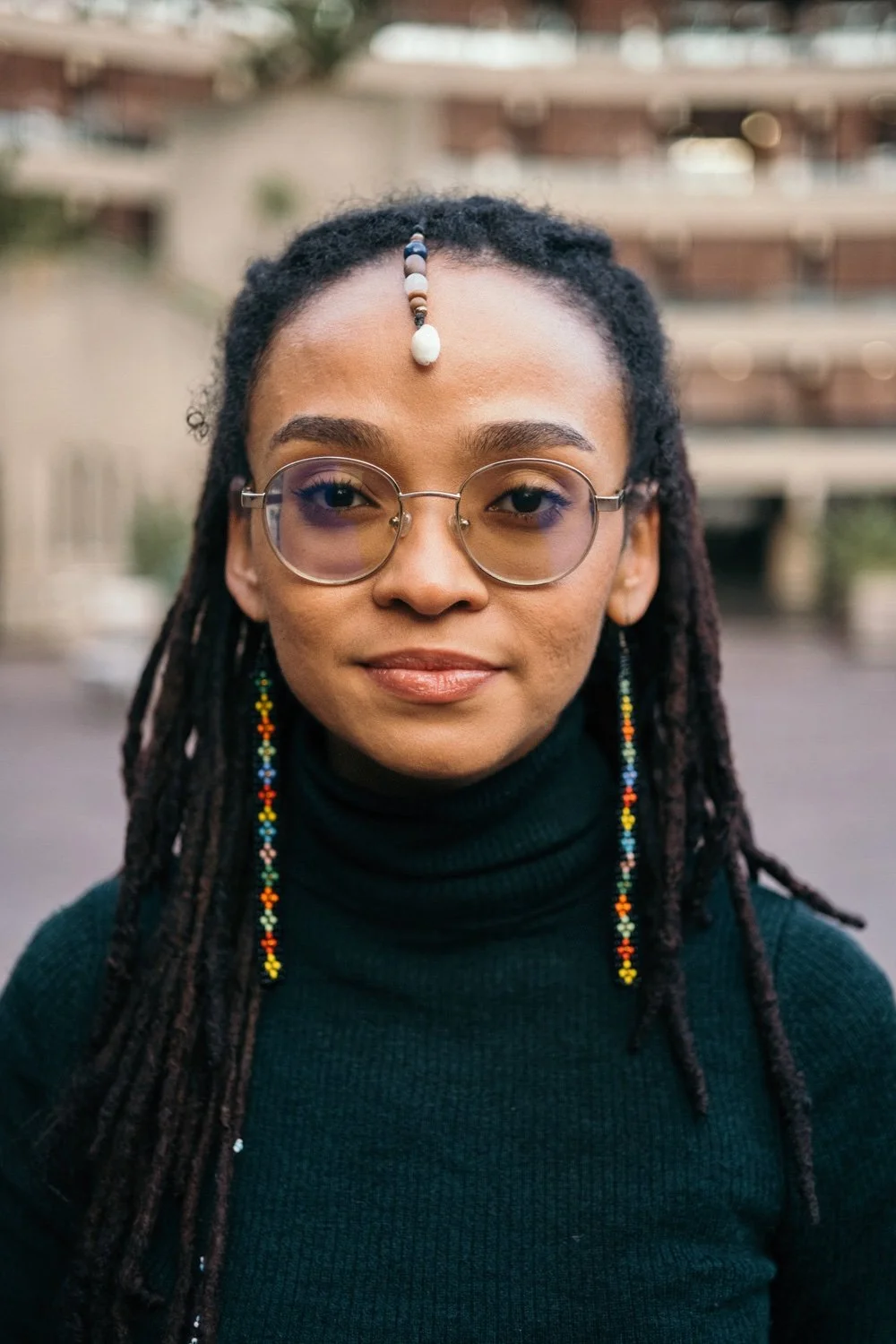
NOMAKHWEZI BECKER
Nomakhwezi Becker is a South African–German performer, writer, and facilitator working across theatre, poetry, and storytelling. Rooted in the Southern African tradition of Call and Response, her work explores belonging, language and intimacy across distance. A Barbican Young Poet (2024 & 2025), she has performed at National Arts Festival (Ovation Award 2019), FUSE International Festival, Poetry Africa, Translationale Berlin, Mili Dueli Poetry Contest (National Winner 2024), Southbank Centre, and Westminster Abbey. Her plays and poetry are published internationally and she co-curated the 2025 Forward Prizes Young Poets Summit.
Call & Response with the living archive
Nomakhwezi’s workshop explores how archives can be activated through embodied, relational practices, drawing on her ongoing research into language, memory, and inherited histories. Rooted in South African storytelling traditions of Call & Response, the workshop approaches the archive as a living, responsive body - one that can be listened to, spoken with, and re-voiced. Participants will move between writing and embodied exploration to trace what is carried, remembered, and reimagined.
Central to the day is an enquiry into what Nomakhwezi calls the “misbehaving archive”: moments where materials resist, fragment, or refuse coherence. Rather than resolving these tensions, participants will work with them - using voice, text, and the body to explore how gaps, silences, and dissonances might generate new forms of meaning, connection, and imagination.